October 1, 2026
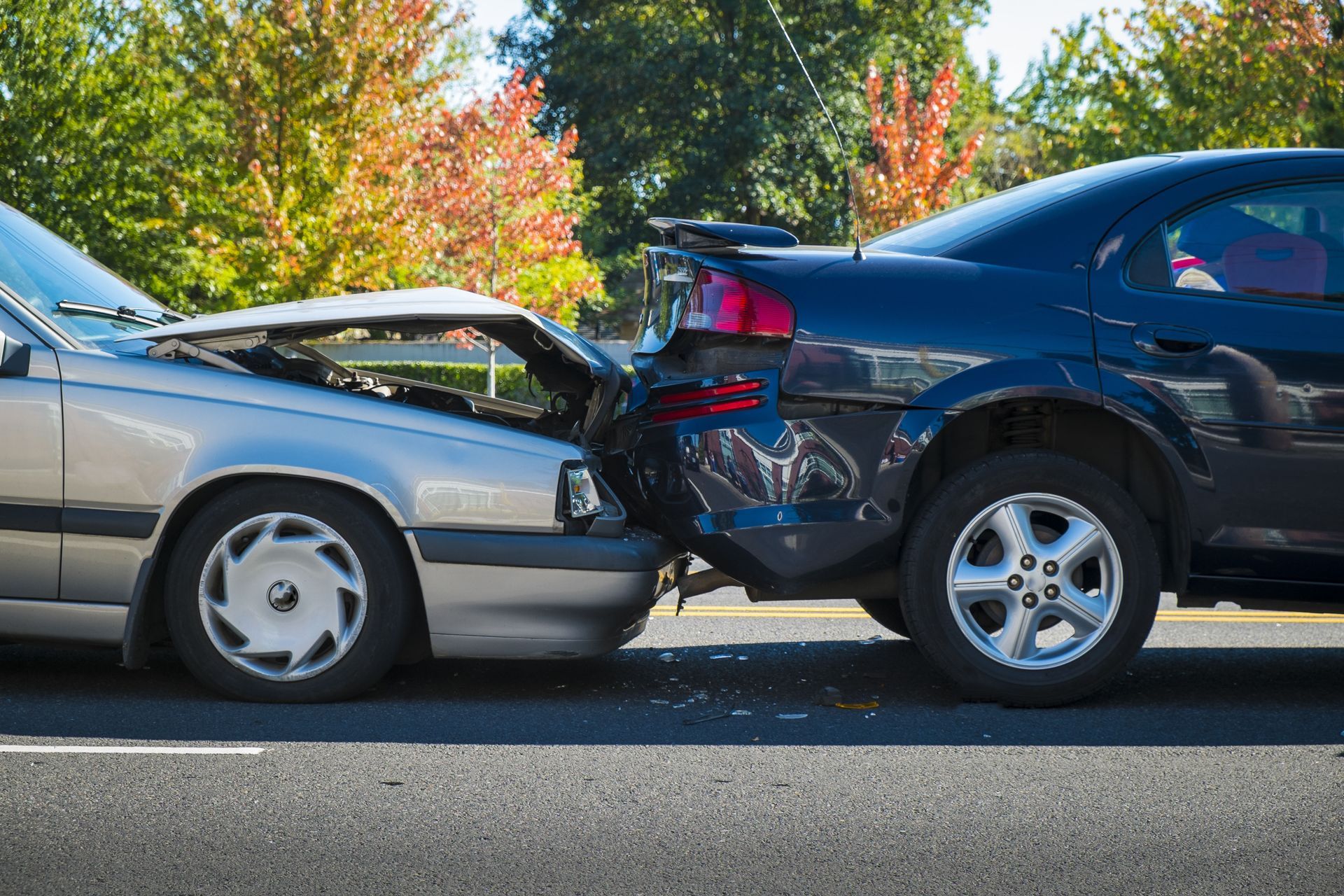
Car crashes can leave behind more than visible dents and scratches. Damage may affect bumpers, panels, lights, wheels, structural components, and hidden systems. Even minor impacts can create problems that are not obvious, making inspection an important first step.
According to Consumer Shield, the U.S. experiences roughly five million to more than six million crashes annually. With collisions occurring so frequently, understanding common damage and the repair process can help drivers make informed decisions after an accident. Knowing what technicians look for can also make the experience less confusing from the initial inspection through the final quality check.
Inspect Exterior Body Damage
Visible body damage is among the easiest collision effects to recognize. Crushed bumpers, dented doors, bent fenders, scratched paint, and damaged hoods can change the appearance of a vehicle while also affecting how individual panels fit together. Misaligned gaps may indicate that an impact shifted a component or affected an area behind it.
During collision repair, technicians inspect damaged panels and determine whether they can be restored or need replacement. Minor dents may be repaired with specialized methods, while severely distorted panels may require replacement. The surrounding areas are also checked so hidden damage does not get overlooked simply because the visible panel receives most of the attention.
Technicians also consider how damaged panels interact with doors, windows, lights, trim, and nearby components. A panel that appears repairable may need additional work if its mounting points are distorted. Assessing the entire affected area helps create a careful, complete repair plan and reduces the chance of discovering related damage after reassembly.
Check Hidden Mechanical Damage
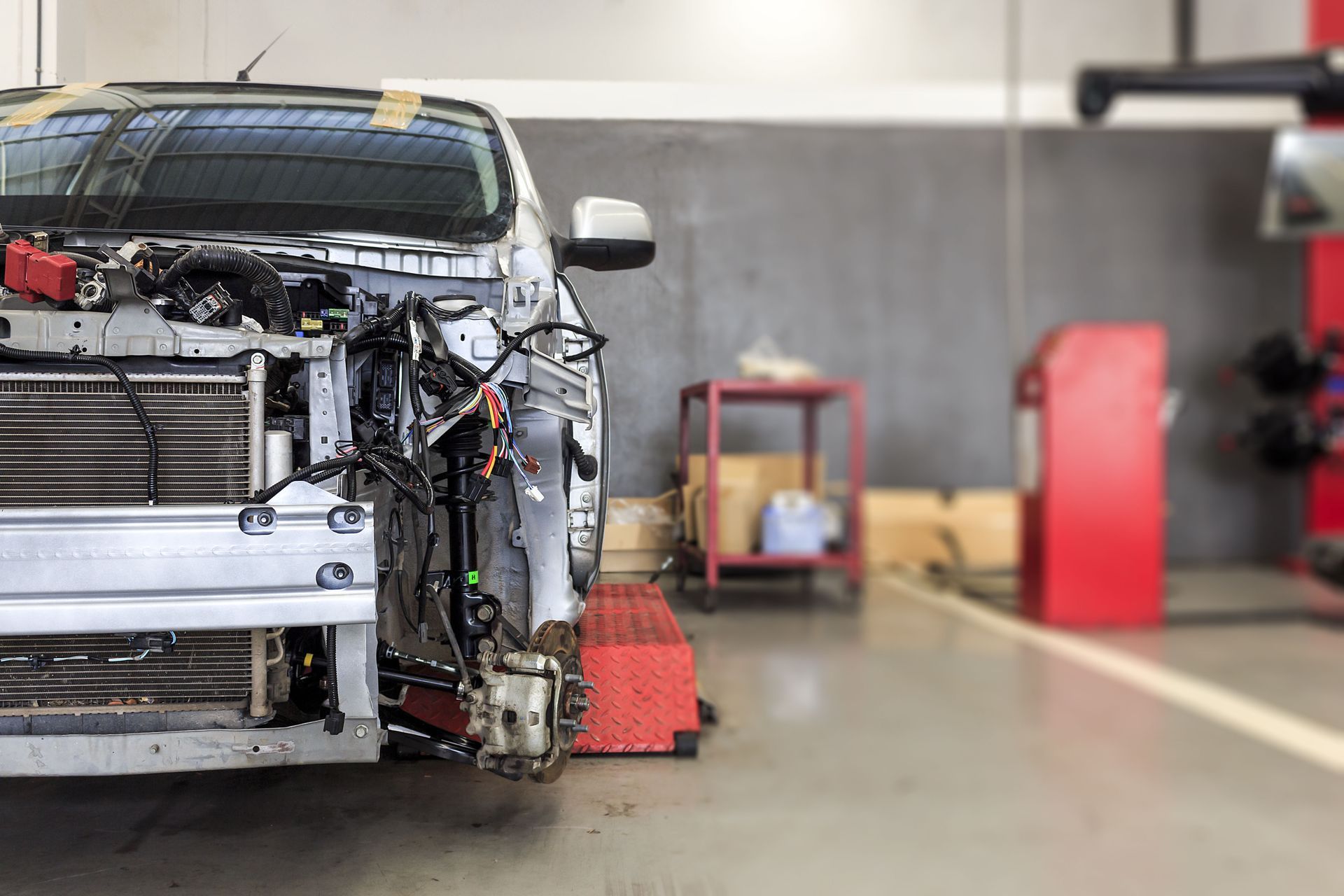
An impact can affect mechanical components even when exterior damage appears limited. Depending on where a vehicle was struck, technicians may inspect suspension parts, steering components, cooling equipment, exhaust pieces, or other systems. A vehicle that still starts and drives is not necessarily free from collision-related mechanical problems.
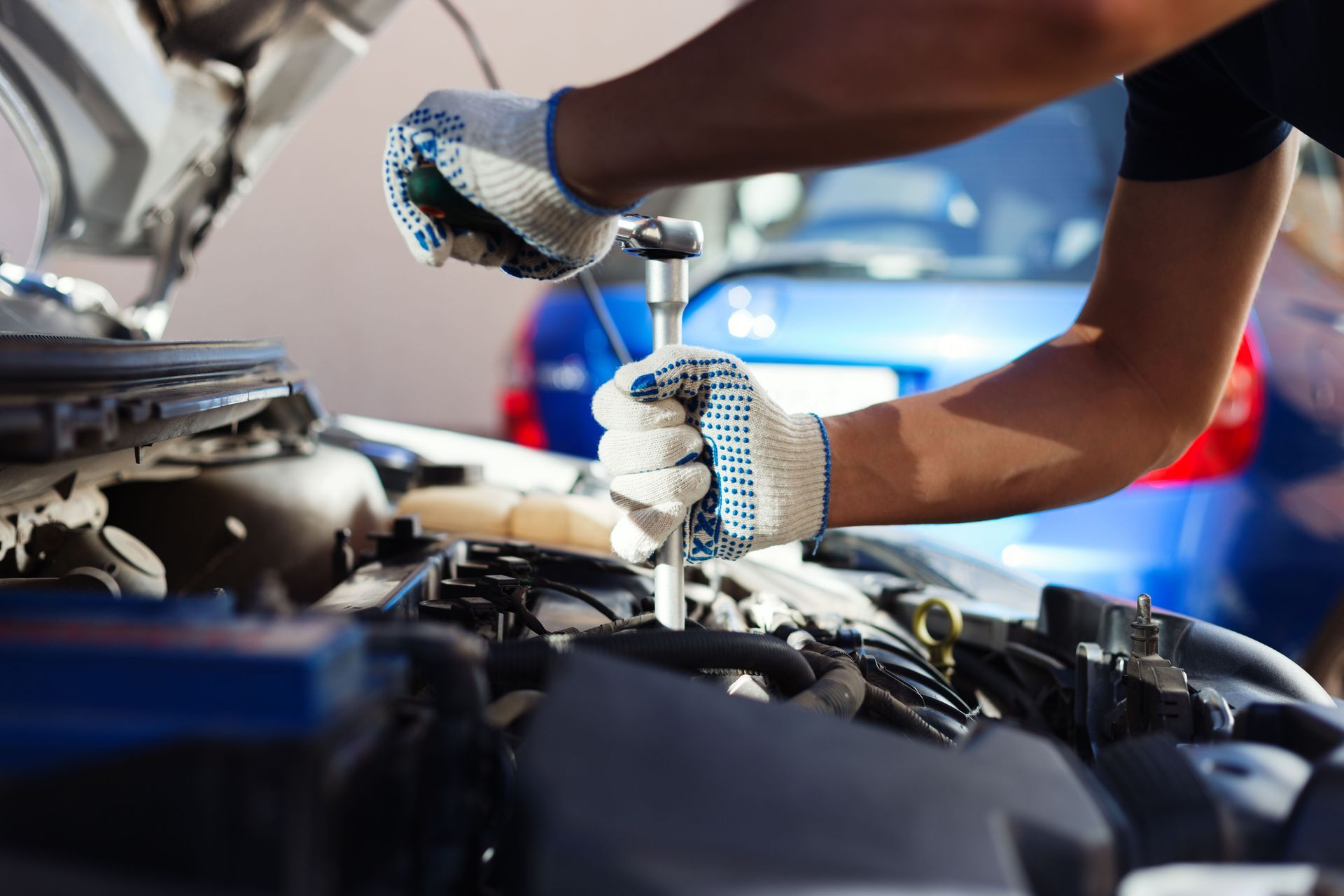
Technicians use visual inspections, measurements, diagnostic equipment, and road testing when appropriate to identify concerns. If components are bent, leaking, displaced, or otherwise compromised, they may need adjustment or replacement. Addressing these problems during collision repair helps restore normal operation instead of leaving an underlying issue for the driver to discover later.
The location and severity of an impact guide the inspection process. A front-end collision may call for closer attention to cooling and steering components, while a side impact can affect suspension or door-related hardware. Technicians compare their findings with the vehicle's condition before completing repairs, helping distinguish collision-related concerns from unrelated wear.
Repair Paint And Finish Damage
Scratches, scuffs, chipped paint, and exposed surfaces can make a vehicle look unfinished after an impact. Beyond appearance, damaged paint can leave underlying material exposed to moisture and environmental wear. Proper refinishing therefore involves more than simply covering the most noticeable scratch with a matching color.
A collision repair process may include preparing the damaged surface, applying appropriate coatings, matching the existing finish, and blending the repaired area with adjacent panels. Technicians also inspect the finished surface for consistency in color, texture, and coverage. Careful refinishing allows the repaired section to integrate with the rest of the vehicle rather than standing out as a patch.
Surface preparation is especially important because imperfections beneath a new finish can remain noticeable once the work is complete. Technicians may sand, clean, prime, and prepare affected areas before refinishing. The goal is a consistent result that complements the original finish while protecting the repaired surface from ordinary exposure.
Restore Safety Systems
Modern vehicles contain safety systems designed to help protect occupants during a collision. Depending on the circumstances, an impact can trigger airbags or affect sensors and other components connected to restraint systems. Damage may not always be visible from outside the vehicle, so safety-related components deserve careful attention during an inspection.
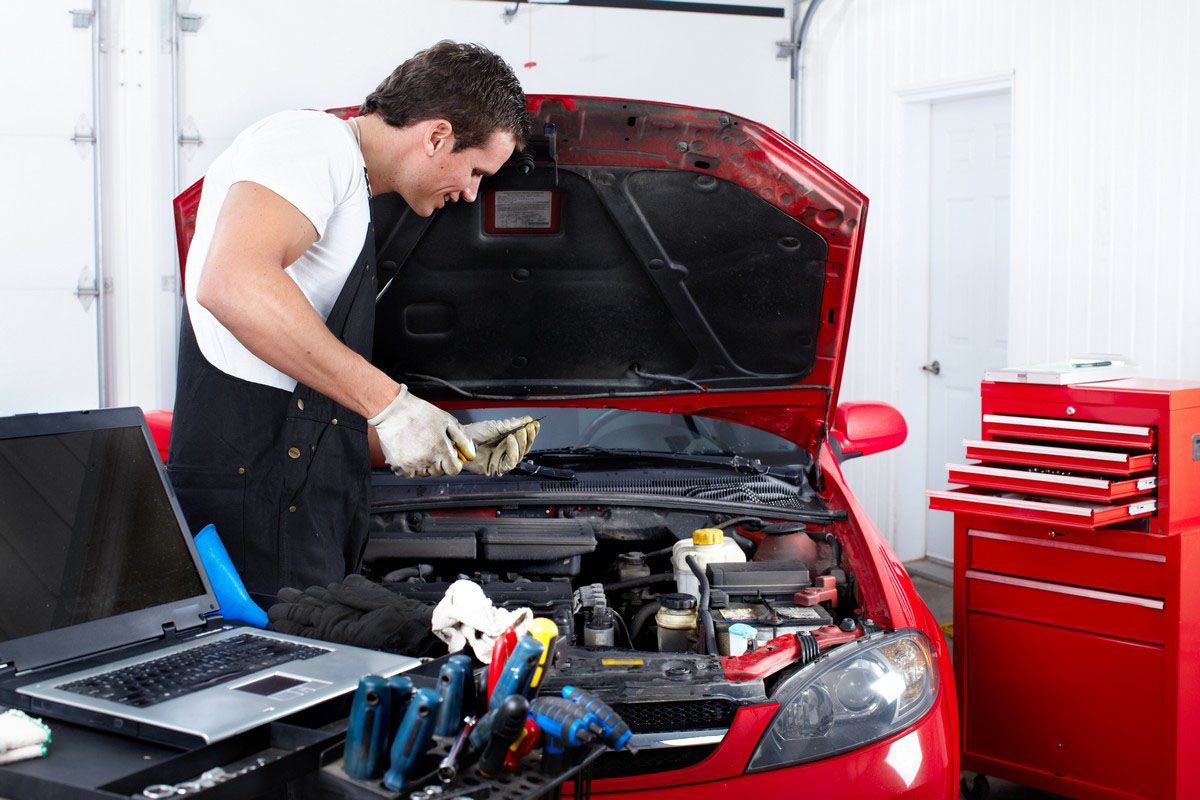
Technicians evaluate affected systems and follow appropriate procedures for damaged or deployed components. They may also use diagnostic equipment to identify stored faults or communication problems. Proper collision repair should address safety-related concerns alongside cosmetic work, helping ensure that repaired systems function as intended before the vehicle returns to regular use.
Safety inspections can also influence which components are repaired and which must be replaced. Technicians need to account for manufacturer procedures and the condition of affected parts rather than treating every collision the same way. This careful approach helps keep cosmetic improvements from overshadowing systems that play a more important role in occupant protection.
Align Panels And Structure
A collision can shift panels, mounting points, or structural areas away from their original positions. Signs may include uneven gaps, doors that do not close correctly, unusual alignment around the hood or trunk, or differences in how the vehicle sits. These clues can point to damage that requires more precise measurement than a visual inspection alone can provide.
Technicians use vehicle-specific measurements and specialized equipment to assess alignment and restore components to position. Structural repairs require careful attention because inaccurate positioning can affect panel fit, handling, and the installation of other parts. Thorough collision repair includes checking these relationships rather than focusing only on obvious damage.
Proper alignment can also support the final appearance of the vehicle. When panels and mounting points are positioned correctly, doors, hoods, and other openings can close and sit as intended.
Refinish And Verify Repairs
After damaged components have been repaired or replaced, technicians move toward finishing and verification. Panels must fit correctly, repaired surfaces should have a consistent appearance, and replaced components need to be installed properly. Depending on the repair, technicians may also inspect lights, trim, glass, wheels, and other nearby parts affected by the impact.
A final inspection helps catch overall issues before the vehicle is returned to its owner. Technicians may check alignment, warning indicators, fluid leaks, panel operation, and other relevant details. This stage is an important part of collision repair because a vehicle should not be considered finished simply because the dents are gone and the paint looks clean.
Verification can reveal small problems that are easier to correct before the vehicle leaves the repair facility. A technician may notice an uneven panel gap, a warning light, an improperly seated trim piece, or another detail that needs attention.
Prepare The Vehicle For Return
The final stage confirms completed work matches the repair plan and the vehicle is ready for normal use. Technicians review repaired areas, verify component operation, and make sure the vehicle is clean. Remaining concerns can be addressed before the handoff.
Drivers can also help by reviewing the finished vehicle carefully and asking questions about work that was performed. Clear communication is useful when repairs involve multiple systems or replacement components. A thorough handoff gives the owner a better understanding of what was repaired and what to watch for after collision repair is complete.
Keeping repair records can help with maintenance or insurance documentation. Owners should receive clear information about completed work and recommended follow-up. If a new noise, warning light, vibration, or unusual symptom appears after repair, contacting the facility promptly can help determine whether additional inspection is needed.
After an accident, visible damage is only part of the picture. A thorough collision repair inspection can identify concerns involving bumpers, body panels, paint, mechanical components, structural areas, and safety systems.
When your vehicle needs attention after a crash, choose a repair process that looks beyond obvious damage. Contact Minocqua Collision to get your vehicle inspected and repaired with care, so you can move forward confidently.