May 26, 2026
Dealing with vehicle damage after an accident can feel overwhelming, especially when you're unsure what comes next. Understanding the auto body repair process can help reduce uncertainty and make the experience more manageable. From inspections and estimates to repairs and quality checks, knowing what to expect allows vehicle owners to feel more confident throughout the process. This guide explains the key stages involved in auto body repairs and what drivers should know before bringing their vehicle into a repair shop. Repair procedures can vary depending on the severity of the damage and the type of vehicle involved. Having a clear understanding of the process also helps drivers communicate more effectively with technicians and insurance providers. Being prepared before visiting an auto body repair shop can make the experience less stressful and help ensure better overall outcomes.
Select the Right Auto Body Repair Shop
Choosing the right auto body repair shop is crucial for ensuring your vehicle is returned to its prior condition. Begin by seeking recommendations from friends, family, or online reviews. These insights can provide firsthand accounts of the quality of work and customer service at various shops. Additionally, verify credentials, including certifications from recognized industry bodies. Look for a repair shop with experience handling your vehicle type, as specialized knowledge can contribute to more accurate and efficient repairs.
Another important factor is obtaining multiple quotes from different shops. This not only gives a sense of the cost but also brings clarity to the scope of the work needed. A reputable repair shop will be transparent about its pricing, explaining each charge in detail. Ensure that the shop uses quality parts and employs certified technicians to work on your vehicle.
Location and convenience should also influence your decision. Choose a shop not far from where you reside or work for ease of access to the facility. Visit the shop to assess their professionalism and the state of their premises. A clean, organized, and well-maintained shop is often indicative of the level of respect and care they extend to their customers' vehicles.
Understand the Initial Inspection Process
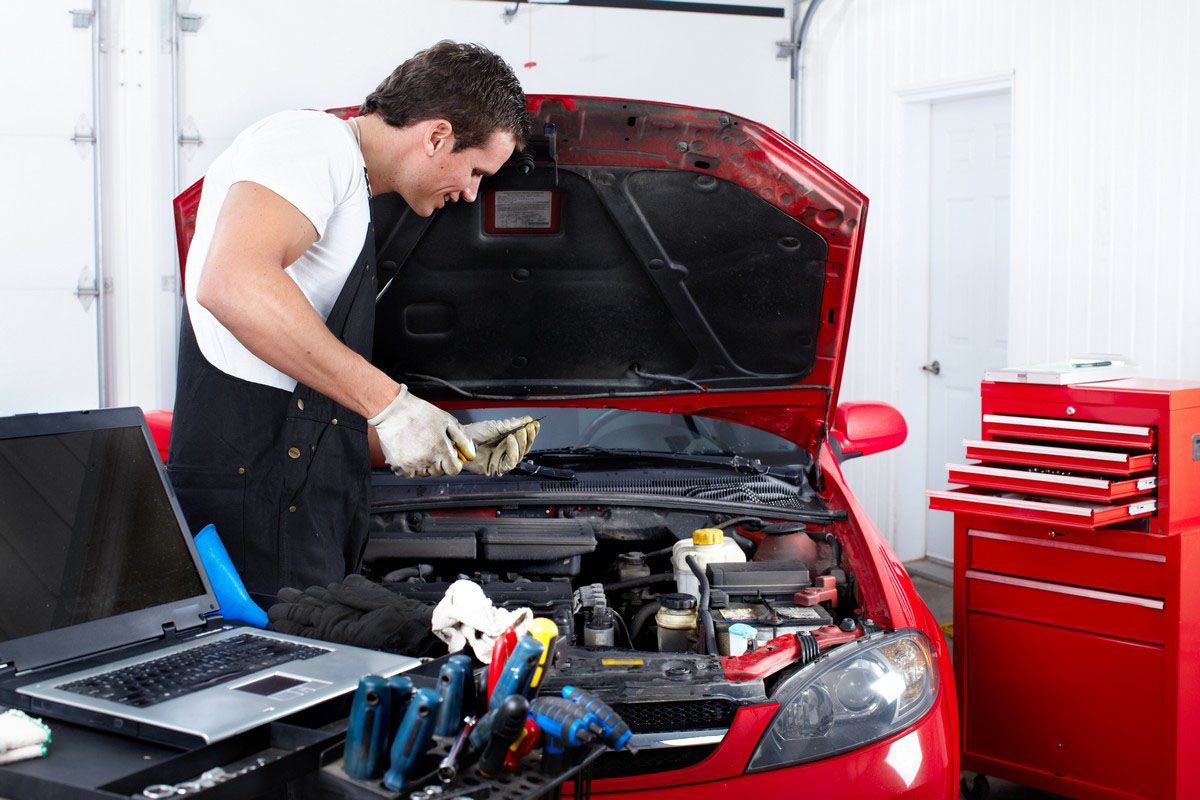
The first step in the auto repair process is the initial inspection. Upon arrival, the technician will evaluate the extent of the damage to your vehicle. This step is vital for formulating an accurate repair plan. During the inspection, the technician will document any parts that need replacement or repair, providing the foundation for an estimate.
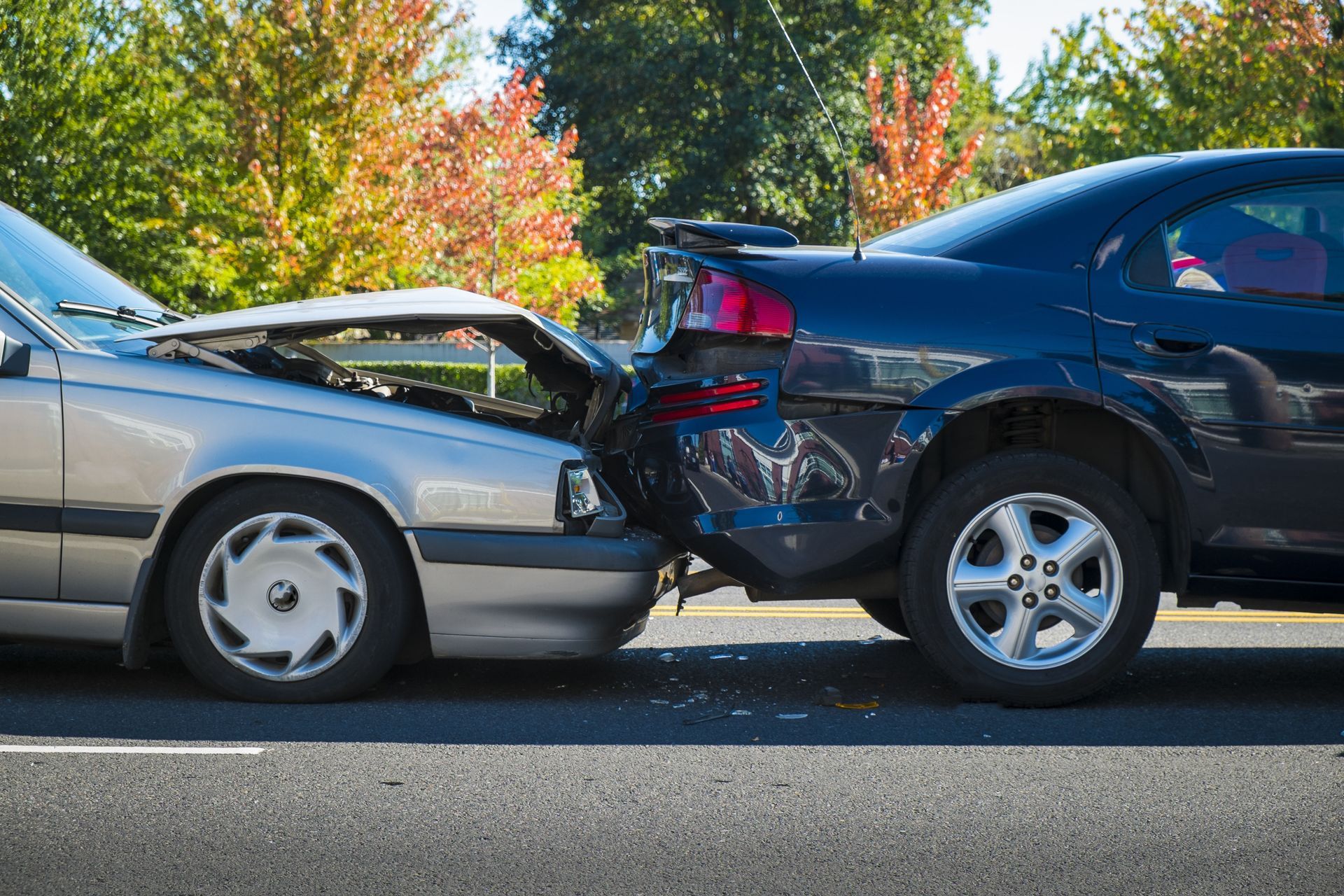
Communication is a critical aspect of this stage. The repair shop should explain their findings in layman’s terms, ensuring that you are fully aware of the repairs needed and their implications. According to Consumer Shield, there are between 5 million and over 6 million crashes in the U.S. annually, highlighting the frequency with which these inspections occur. The initial inspection typically results in a report that outlines the estimated duration and cost of repairs.
It's important to ask questions if any aspect of the inspection report is unclear. Questions about part warranties, repair guarantees, and the estimation process are essential for making informed decisions. This phase also presents the perfect opportunity to inquire about the shop’s communication process throughout the repair duration. Understanding upfront what each charge is for can help you avoid surprises when it’s time to settle the bill.
Follow the Vehicle Repair and Restoration Stages
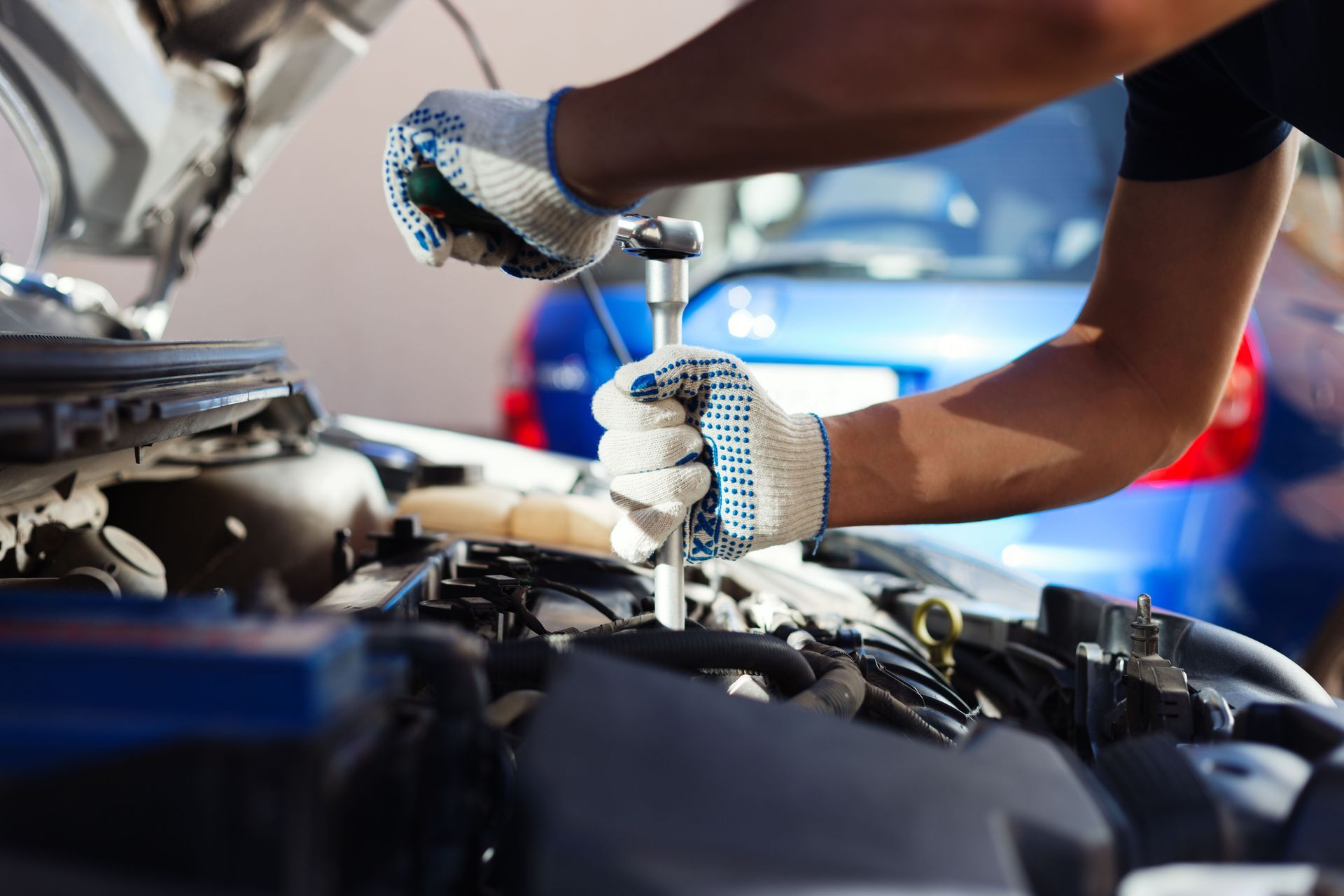
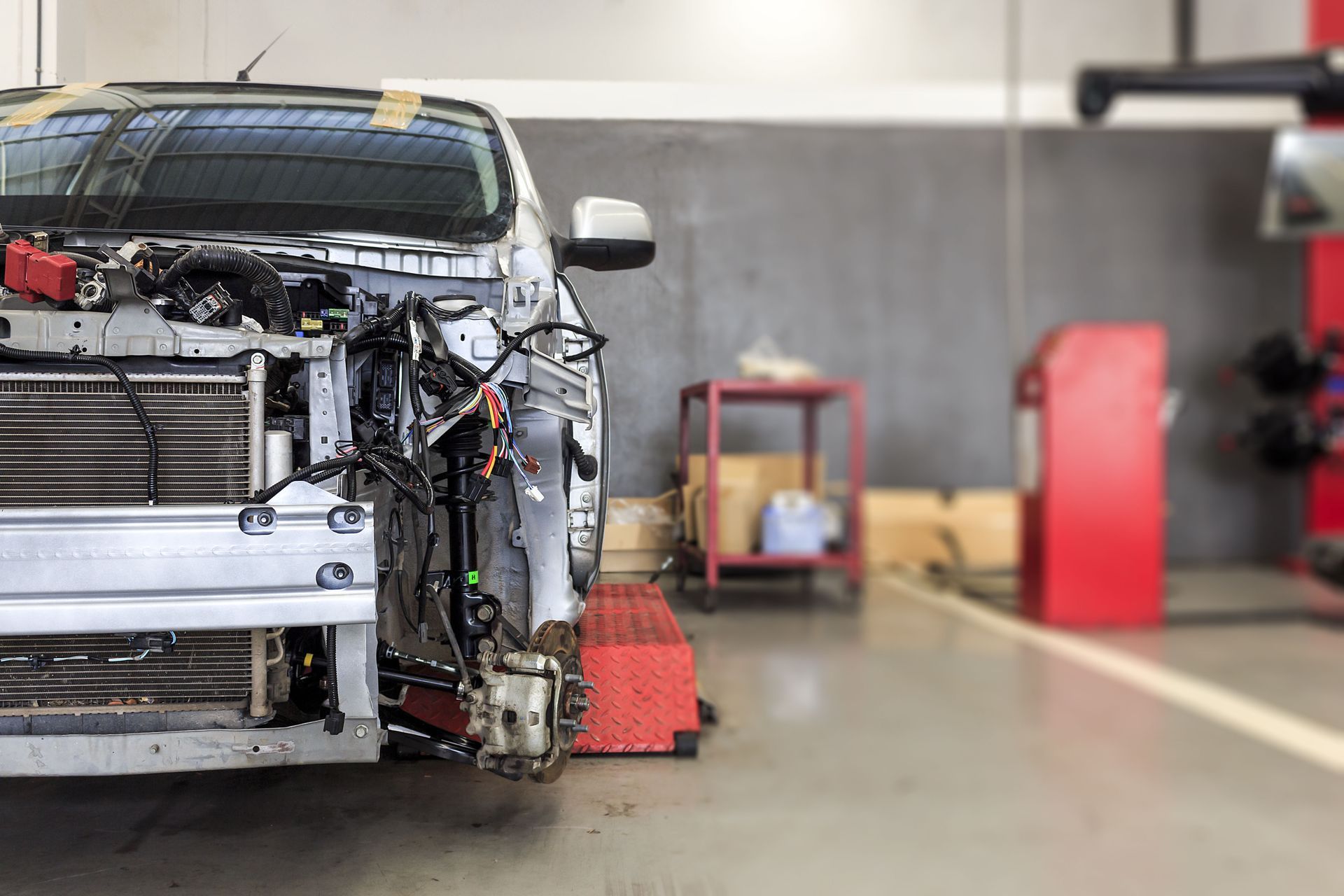
Once the repair work commences, you can expect a systematic process where each aspect of the damage is addressed. The repair process typically begins with dismantling the damaged sections of the vehicle, which allows the technicians to assess any underlying issues not visible during the initial inspection. With everything accounted for, the team will proceed with structural repairs, replacements, and finally, cosmetic refinements. This thorough approach helps ensure that hidden damage is identified early and addressed before it leads to future problems.
The timeline for repairs can vary greatly depending on the extent of the damage and the availability of necessary parts. Some repair processes may be completed within days, while others might take weeks, especially if specialized parts need to be ordered. Communication between you and the auto body repair shop should be maintained during this time to keep you informed of progress and any unexpected delays. Regular updates from the repair shop can significantly reduce anxiety during this phase. Staying informed throughout the process can also help vehicle owners plan transportation arrangements while repairs are underway.
After structural repairs, technicians will focus on the vehicle's paint job. Color-matching technology is often used to ensure the new paint seamlessly blends with the original color. This meticulous attention to detail is crucial in maintaining the vehicle’s aesthetic integrity. Finally, a quality check is performed to ensure the repairs meet standards before the vehicle is returned to you. Careful finishing work helps restore both the appearance and overall value of the vehicle.
Review Quality Assurance and Final Inspections
Quality assurance is a cornerstone of any reputable auto body repair shop’s process. After the completion of repairs, the vehicle undergoes a series of inspections to ensure that all work has been carried out to the highest standards. These inspections are often formulated using industry benchmarks and quality control checklists. Technicians will examine each element of the repair work to ensure functionality, safety, and cosmetic appeal. These final evaluations help confirm that the vehicle is ready to return to the road safely and reliably.
In addition to in-house checks, some auto body repair shops offer third-party inspections. This independent review can provide an extra layer of reassurance for the vehicle owner. The use of industry-standard equipment and high-grade materials also plays a critical role in ensuring the durability of repairs. Frequent training and quality assurance programs for technicians help maintain a consistently high standard of workmanship. Consistent quality control practices contribute to long-lasting repairs and improved customer satisfaction.
Customers should also be aware of the warranty or guarantee offered by the repair shop. A reputable shop stands by its work, offering warranties on parts and labor. This commitment to quality not only speaks to the shop’s confidence in its work but also provides peace of mind to the customer. Knowing your vehicle has been restored with care and precision enhances trust and encourages future business. Reviewing warranty details before leaving the shop can help customers understand what protections are included after repairs are completed.
Navigating the auto body repair shop process becomes much easier when you understand each step involved. From selecting a trusted repair facility to reviewing inspections, repair timelines, and final quality checks, staying informed helps ensure a smoother experience and better repair results. Taking the time to ask questions and communicate with technicians can also provide greater peace of mind throughout the process. With the right auto body repair team and a clear understanding of what happens behind the scenes, vehicle owners can move forward confidently knowing their vehicle is being restored safely, professionally, and with attention to detail. Staying proactive during repairs can also help avoid misunderstandings and unexpected concerns along the way. A quality repair experience not only restores a vehicle's appearance but also helps preserve its performance and safety features. Knowing what to expect throughout the repair journey allows drivers to make informed decisions and return to the road with confidence. Reach out to Minocqua Collision to learn more about our auto body repair shop today.