October 7, 2026
The automotive industry continues to undergo a major transformation as drivers maintain their personal vehicles far longer than in previous decades. Improved vehicle longevity combined with shifting economic priorities means that older cars remain active on public roads in significantly higher volumes. This ongoing shift alters driver habits while permanently reshaping the everyday operations of local auto body repair facilities nationwide.
As older automobiles stay in service longer, shop owners must continuously adjust to new operational demands, changing supply chains, and evolving customer expectations. Managing an aging fleet presents unique operational obstacles along with promising business growth opportunities. Exploring how extended vehicle life cycles affect service facilities highlights the vital role these shops play in preserving overall transportation safety and long-term vehicle reliability.
Analyze Current Aging Vehicle Trends
The overall lifespan of passenger vehicles has steadily expanded over recent years across the country. Automotive engineering improvements allow modern engines, frames, and major structural components to endure many years of heavy daily use without experiencing major system failures. Consequently, motorists feel increasingly comfortable retaining their vehicles long after paying off initial purchase loans, driving up consistent demand for persistent structural and exterior upkeep.
Economic factors also play a massive role in encouraging drivers to retain older vehicles for daily transit. High purchase costs for brand-new models prompt consumers to invest directly in maintaining their current transportation assets instead of buying replacement cars. This sustained economic choice creates a steady workload for technicians who specialize in keeping aging vehicle structures roadworthy and visually appealing over long operational life cycles.
A growing appreciation for classic styling and proven mechanical simplicity inspires many dedicated car owners to preserve legacy models carefully. Maintaining these older rides requires consistent technical attention, which plays a vital role in local auto body repair operations. By developing targeted expertise in servicing legacy models, repair specialists can effectively capture dedicated customer niches and build long-term brand loyalty.
Manage Rising Demands for Service
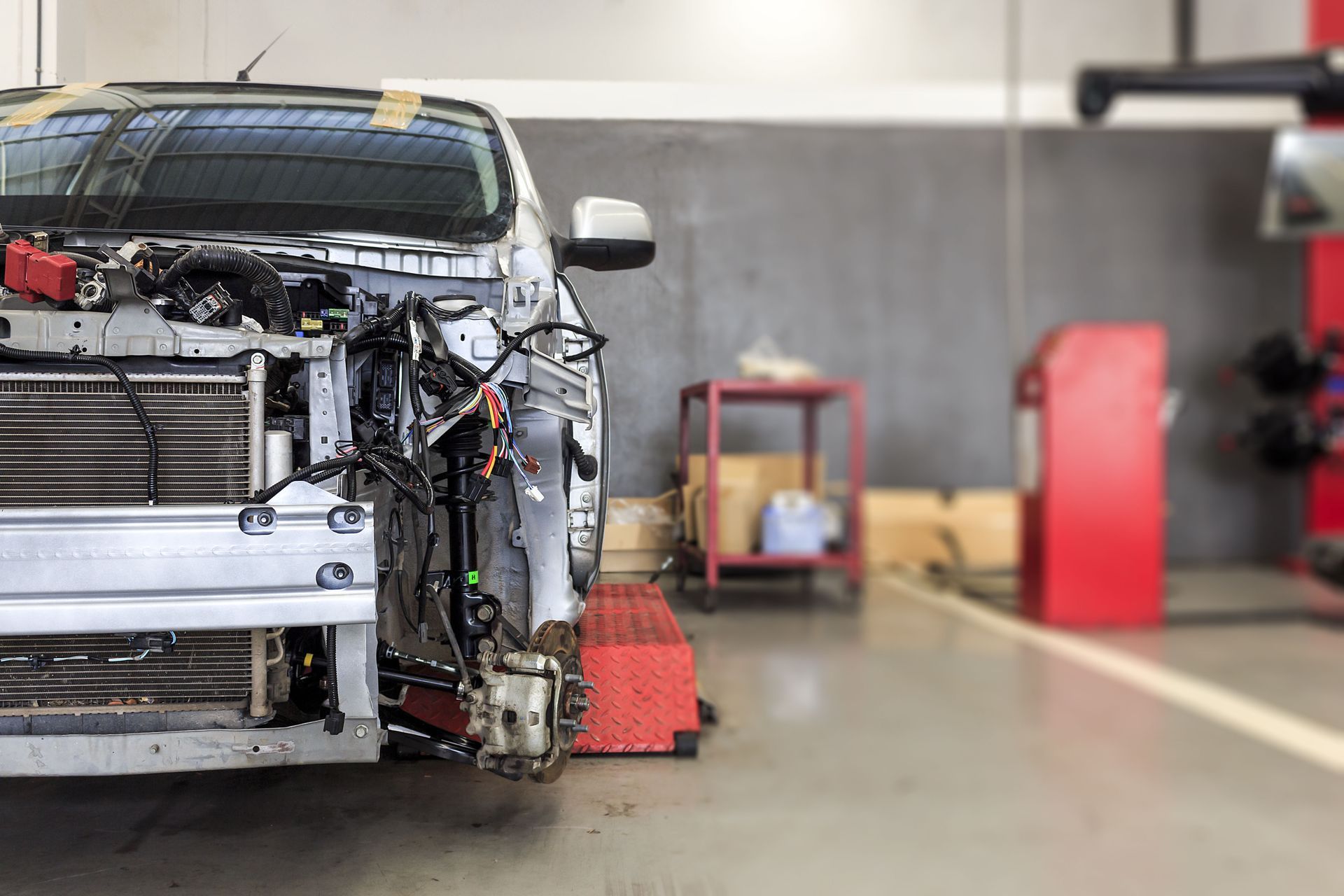
Older automobiles naturally experience cumulative wear and tear that leads to frequent mechanical and aesthetic issues. Over extended operational periods, body panels suffer from severe corrosion, paint clear coats degrade, and underlying structural components accumulate stress from daily road exposure. This persistent physical deterioration creates a higher demand for local auto body repair services across every major automotive market.
Seasonal weather patterns aggravate existing structural damage on aging vehicles, driving major fluctuations in shop workloads. Cold winter temperatures, harsh road salt, and heavy precipitation accelerate rust formation and worsen subtle panel damage. Summer heat creates distinct challenges for cooling components and exterior finishes, requiring shop managers to adjust inventory levels and technician schedules dynamically throughout the year.
Meeting elevated consumer expectations for quick service turnarounds requires shop managers to refine operational workflows continuously. Drivers rely heavily on their primary vehicles for everyday transit, making long service delays unacceptable even for complex structural repairs. Streamlining scheduling processes and enhancing diagnostic speed helps shop teams balance high repair volumes while preserving overall workmanship quality and customer satisfaction.
Evaluate Financial Impacts on Shops
Sourcing replacement parts for older automobile models presents significant financial and logistical challenges for everyday shop operations. As vehicle manufacturers discontinue original components, shops must navigate expansive aftermarket supplier networks to locate quality replacement parts. Balancing inventory holding costs against potential repair delays demands careful financial management to ensure business profitability while delivering timely service.
Labor expenditures represent another critical financial factor when managing complex structural work on older automobiles. Experienced technicians capable of addressing vintage frame alignment, manual panel shaping, and legacy paint matching command higher compensation levels. Investing in ongoing staff training ensures technicians refine their technical skills, reducing costly rework and boosting overall operational efficiency within busy shop environments.
Developing transparent pricing models helps repair businesses maintain steady revenue streams while retaining budget-conscious vehicle owners. Clear communication regarding repair options, material expenses, and projected labor hours establishes trust with clients navigating difficult fix-or-replace decisions. Building open communication and offering reliable service packages remains vital to long-term local auto body repair financial health.
Adapt to Evolving Technical Challenges
Technological progress within the automotive sector requires repair professionals to update diagnostic tools and repair methods constantly. Modern computerized diagnostic equipment must interface with legacy control modules to pinpoint structural and electrical faults accurately. Shops that invest in modern diagnostic systems improve repair accuracy, cut turnaround times, and solidify their overall market position against local competitors.
Technician training remains essential as repair methodology shifts alongside changing vehicle architecture. According to the Auto Care Association, 84% of independent repair businesses identify access to vehicle technical data as their top operational priority, placing it above concerns like staffing shortages and inflation. Having reliable access to precise diagnostic data is essential for modern local auto body repair technicians.
Managing manufacturer component discontinuations requires shop owners to cultivate strong working relationships with alternative suppliers and specialty fabricators. When original replacement panels become completely unavailable, creative sourcing techniques allow facilities to complete complex restorations safely. Embracing innovative repair technologies enables forward-thinking business owners to overcome supply chain obstacles and satisfy client demands effectively.
Navigate Complex Environmental Standards
Regulatory compliance represents a crucial operational consideration that directly affects everyday local auto body repair procedures. Shops must adhere strictly to environmental rules governing airborne emissions, paint booth filtration, and hazardous chemical usage. Maintaining strict compliance protects staff safety, preserves community health, and shields businesses from costly regulatory fines or operational shutdowns.
Proper waste management practices are vital when handling older vehicles containing legacy fluids, solvents, and heavy metals. Standardized protocols for recycling scrap metal, disposing of waste paint, and trapping chemical runoff demonstrate genuine environmental stewardship. Implementing sustainable shop practices appeals to eco-conscious consumers who actively prefer doing business with environmentally responsible service providers.
Government programs occasionally offer financial incentives or tax relief to repair businesses adopting eco-friendly operational upgrades. Installing energy-efficient paint drying systems or investing in low-VOC finishing materials can significantly lower overhead expenses. Leveraging available public resources allows shop owners to upgrade facilities while demonstrating a strong commitment to environmental sustainability and public health.
Understand Changing Consumer Expectations
Consumer attitudes toward regular vehicle maintenance directly shape repair market dynamics and overall business volume. Vehicle owners who prioritize preventive maintenance tend to seek professional structural repairs quickly when minor accidents occur. Educating consumers about how timely body work prevents severe structural degradation helps facilities build long-term relationships centered on vehicle safety.
When faced with substantial repair estimates, motorists carefully evaluate total vehicle value against expected future service life. Service managers support customer decision-making by offering clear cost comparisons and objective assessments of overall vehicle safety. Transparent guidance builds lasting trust, encouraging car owners to choose repair solutions that align with their personal financial goals.
Delivering exceptional customer experiences drives long-term customer retention and positive word-of-mouth recommendations in competitive markets. Open communication, accurate completion estimates, and high-quality craftsmanship create satisfying interactions for vehicle owners seeking urgent structural help. Prioritizing clear communication drives success in local auto body repair facilities.
The growing prevalence of aging vehicles presents both operational hurdles and rewarding expansion opportunities for repair facilities. Success requires shop owners to balance technical expertise, supply chain flexibility, strict environmental compliance, and customer-focused communication. Facilities that adjust proactive operational strategies will maintain steady revenue while serving their local communities effectively for many years to come.
Navigating the evolving demands of structural vehicle maintenance demands dedicated craftsmanship and specialized technical expertise. As automotive technology advances and vehicles remain in active service longer, choosing a dependable repair partner ensures your vehicle stays safe, reliable, and visually appealing. Please contact us today at Minocqua Collision to discover how our skilled team can serve all your vehicle restoration needs.