February 2, 2026
Accidents often feel sudden, but many are preventable with the right habits and awareness. By making smart choices behind the wheel and maintaining your vehicle properly, you can significantly lower your risk of damage. Reducing the likelihood of needing collision repair starts with proactive, everyday decisions.
Practice Defensive Driving Consistently
Defensive driving is one of the most effective ways to avoid accidents. It involves anticipating potential hazards, maintaining safe following distances, and staying alert to the actions of other drivers. Rather than reacting at the last second, defensive drivers read traffic patterns early and adjust accordingly.
This approach includes slowing down in heavy traffic, avoiding aggressive maneuvers, and preparing for unexpected stops. When you assume other drivers may make mistakes, you naturally give yourself more time and space to respond. Over time, these habits greatly reduce the chances of situations that result in costly auto body repair.
Eliminate Distracted Driving Habits
Distraction is one of the leading causes of preventable accidents. Mobile phones, infotainment systems, eating, and even conversations can divert attention from the road. According to Auto Body News, 30% of drivers admitted to driving while distracted in 2023. That statistic highlights how common—and dangerous—this behavior remains.
Reducing distractions means putting phones out of reach, setting navigation before driving, and focusing fully on the task at hand. Even brief lapses in attention can lead to rear-end collisions or lane-departure accidents. Staying mentally present is a critical step toward avoiding damage that requires collision repair.
Maintain Safe Speeds at All Times
Speed plays a major role in both the likelihood and severity of accidents. Driving too fast reduces reaction time and increases stopping distance, especially in poor weather or congested areas. Even exceeding the speed limit by a small margin can significantly raise risk.
Maintaining appropriate speeds allows better control and smoother braking. It also gives you more time to assess road conditions and react to sudden changes. Responsible speed management not only protects lives but also minimizes the chance of vehicle damage.
Keep Your Vehicle Properly Maintained
A well-maintained vehicle is safer and more predictable on the road. Worn brakes, underinflated tires, and faulty steering components can all contribute to accidents. Regular maintenance ensures your car responds as expected in critical moments.
Routine inspections should include brakes, tires, suspension, lights, and windshield wipers. Addressing minor mechanical issues early prevents sudden failures that could cause loss of control. Mechanical reliability plays a key role in reducing scenarios that lead to collision repair.
Improve Visibility in All Conditions
Clear visibility is essential for safe driving. Dirty windshields, fogged windows, and misaligned headlights reduce your ability to see hazards in time. Poor visibility is especially dangerous during rain, snow, fog, or nighttime driving.
Keep windows clean inside and out, replace worn wiper blades, and ensure headlights are properly aimed. Using headlights appropriately during low-visibility conditions also helps other drivers see you. Better visibility means more reaction time and fewer surprises.
Respect Weather and Road Conditions
Weather dramatically affects driving safety. Rain, snow, ice, and high winds change how vehicles handle and stop. Ignoring these conditions often leads to skids, spinouts, or collisions.
Adjusting speed, increasing following distance, and avoiding sudden movements are essential during adverse weather. Planning routes and allowing extra travel time also reduces pressure to rush. Respecting road conditions lowers the likelihood of accidents that require extensive collision repair.
Avoid Aggressive Driving Behaviors
Aggressive driving increases risk for everyone on the road. Tailgating, frequent lane changes, speeding, and road rage create unpredictable situations. These behaviors leave little margin for error.
Staying calm and patient behind the wheel promotes smoother traffic flow and better decision-making. Letting other drivers merge, avoiding confrontations, and maintaining steady speeds reduce stress and danger. A calm driving style directly correlates with fewer accidents.
Use Advanced Safety Features Effectively
Modern vehicles are equipped with advanced safety technologies designed to prevent collisions. Features such as automatic emergency braking, lane departure warnings, blind-spot monitoring, and adaptive cruise control provide valuable assistance when used correctly.
However, these systems are supplements—not replacements—for attentive driving. Understanding how they function and keeping sensors clean ensures they work as intended. When combined with good driving habits, these tools help prevent situations that could otherwise lead to auto body repair.
Plan Routes to Reduce Risk Exposure
Not all roads carry the same level of risk. High-traffic intersections, poorly lit streets, and construction zones are common accident hotspots. Choosing routes with better visibility and smoother traffic flow can lower exposure to potential hazards.
Planning ahead also reduces the temptation to speed or make sudden maneuvers when running late. Allowing adequate travel time encourages safer decisions and less stressful driving conditions.
Practice Safe Parking Techniques
Many vehicle damages occur while parking or maneuvering at low speeds. Tight spaces, poor lighting, and obstructed views increase the risk of scrapes and dents. Taking extra time when parking can prevent unnecessary damage.
Using backup cameras, parking sensors, and mirrors correctly helps avoid obstacles. Choosing parking spots with more space—even if it means walking a bit farther—can save you from minor accidents that still require collision repair.
Stay Alert at Intersections
Intersections are among the most common locations for collisions. Failure to yield, running red lights, and misjudging turns frequently lead to accidents. Staying alert and cautious at intersections is critical.
Look both ways even when you have the right of way, and watch for pedestrians and cyclists. Pausing briefly before proceeding can prevent costly mistakes and serious damage.
Follow Proper Following Distances
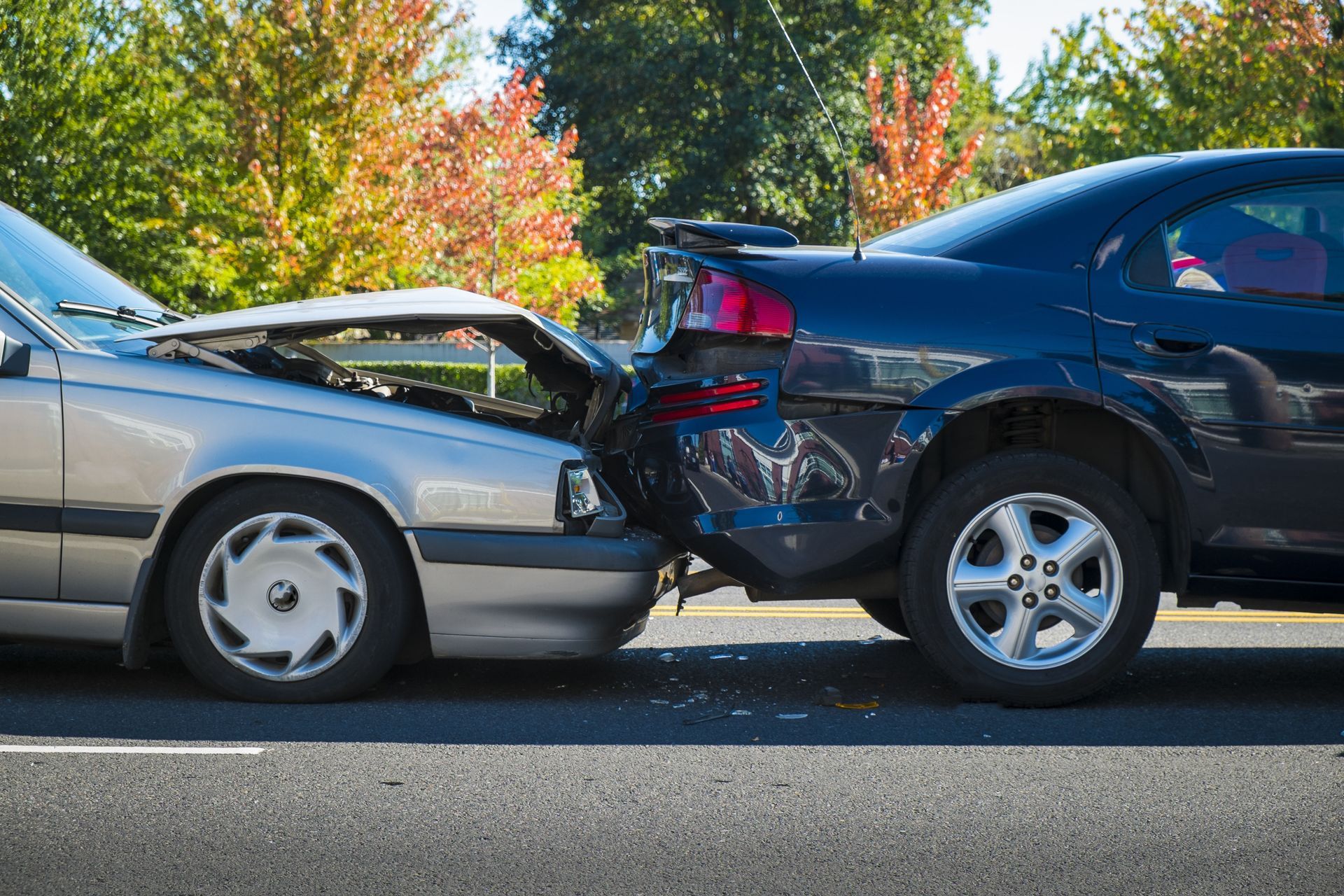
Rear-end collisions are often caused by following too closely. Maintaining a safe distance gives you time to react to sudden stops or slowdowns. The recommended following distance increases with speed and poor weather conditions.
A simple rule is to maintain at least a three-second gap in ideal conditions and more when visibility or traction is reduced. This buffer zone significantly reduces the chance of front-end damage.
Avoid Driving While Fatigued
Driver fatigue impairs reaction time, judgment, and awareness. Drowsy driving can be just as dangerous as distracted or impaired driving. Long trips, late-night driving, and irregular sleep patterns all contribute to fatigue.
Taking breaks, sharing driving duties, and avoiding driving when overly tired help maintain alertness. Staying rested is a key factor in avoiding preventable accidents.
Be Mindful of Other Road Users
Safe driving involves awareness of all road users, including pedestrians, cyclists, and motorcyclists. These groups are more vulnerable and can be harder to see. Failing to account for them often results in serious accidents.
Checking blind spots carefully and yielding appropriately reduces risk for everyone. Respecting shared road spaces helps prevent incidents that could result in major damage and auto body repair needs.
Develop Consistent, Safe Driving Habits
Consistency is what turns safety tips into real-world results. Practicing good habits every time you drive reinforces awareness and discipline. Over time, safe driving becomes second nature rather than a conscious effort.
Small daily choices—slowing down, staying focused, and maintaining your vehicle—add up to meaningful risk reduction. These habits protect both your car and everyone around you.
Reducing the likelihood of accidents is about preparation, awareness, and responsibility. By staying attentive, maintaining your vehicle, and respecting road conditions, you greatly decrease the odds of needing collision repair. If you are looking for a reliable auto body repair shop, contact Minocqua Collision today to learn more and get started!